A2L Refrigerants
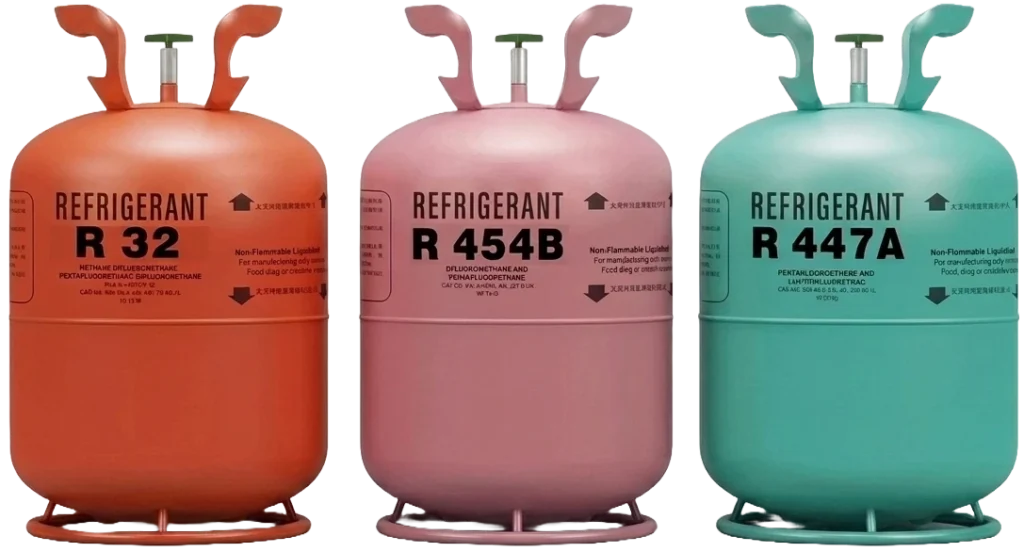
The refrigeration industry is undergoing a major shift as EPA regulations and the Kigali Amendment phase out high-GWP (Global Warming Potential) halocarbons in favor of A2L refrigerants. These
“mildly flammable” alternatives such as R-454B and R-32 balance superior efficiency with a drastically lower environmental foodprint.
A2L refrigerants, characterized by their low global warming potential, are becoming essential in the fight against climate change. These refrigerants not only comply with current environmental regulations but also offer significant operational efficiencies, making them a preferred choice for modern refrigeration systems.
The Importance of A2L Refrigerants
As businesses increasingly focus on sustainability, A2L refrigerants play a pivotal role in reducing greenhouse gas emissions. By transitioning to these alternatives, companies can not only adhere to regulatory requirements but also enhance their corporate responsibility profile.
A2L Refrigerants vs. Legacy Halocarbons
Challenges in Transitioning to A2L Refrigerants
While the benefits of A2L refrigerants are clear, transitioning from legacy systems can present challenges. Notably, existing infrastructure may require upgrades to safely accommodate these mildly flammable refrigerants.
- Environmental Impact: While older refrigerants like R-404A and R-410A have high GWP ratings that contribute significantly to climate change, A2Ls offer a near-zero impact, helping businesses meet strict new sustainability standards.
- Safety & Classification: Transitioning from Class A1 (non-flammable) to Class A2L (mildly flammable) means that while these gases are difficult to ignite and have a slow flame spread, they require updated safety protocols.
- Performance & Efficiency: A2L-engineered systems are often more energy-efficient than their predecessors. For commercial users, this translates to lower monthly operational costs and a smaller carbon footprint.
Installation and Service Requirements
Future of A2L Refrigerants
Staying informed about the latest developments in A2L technology is crucial for businesses seeking to lead in sustainability initiatives.
The future of A2L refrigerants looks promising as technology continues to advance. Innovations in refrigerant blends and system efficiency will further enhance their viability and acceptance in the market.
Because A2Ls are chemically different, they are not drop-in replacements for older equipment. New, specialized systems are required, along with specific field practices:
- Specialized Tooling: Technicians must use A2L-certified, non-sparking tools—including vacuum pumps, recovery machines, and leak detectors—to eliminate any potential ignition sources.
- Enhanced Safety Protocols: Best practices now include mandatory nitrogen purging during brazing, ensuring adequate workspace ventilation, and performing “triple evacuation” to ensure system dehydration.
- Detection Systems: Many new A2L installations require integrated Refrigerant Detection Systems (RDS). These sensors automatically trigger mitigation measures, such as turning on fans or closing valves, if a leak is detected.
Consult with the Experts
Navigating the transition to A2L technology requires precision design and certified expertise. Brrr Refrigeration & Design specializes in helping businesses upgrade to these efficient, compliant systems.
Contact us for a consultation today: 📞 (303) 750-2777. Our team at Brrr Refrigeration & Design is equipped to assist you in implementing A2L refrigerants into your operations, ensuring compliance, safety, and efficiency.